Q: What are the common application scenarios of WPC decking?
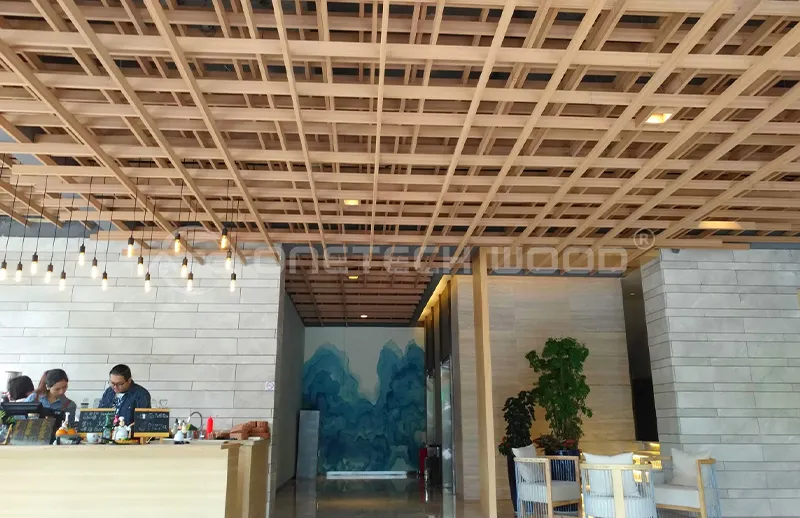
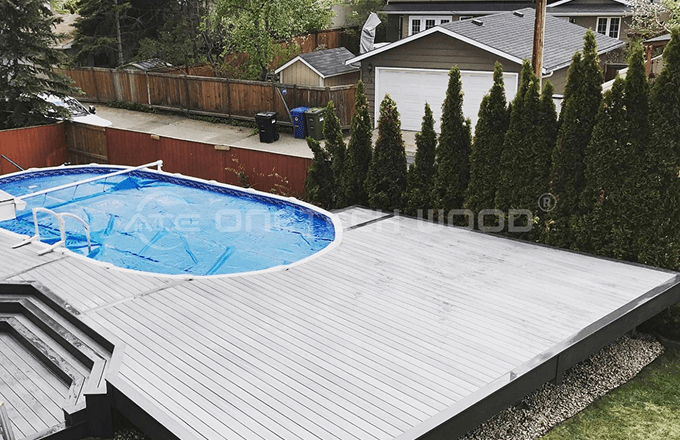
WPC decking have a wide range of application scenarios, mainly suitable for outdoor areas such as outdoor terraces, courtyard floors, pool surroundings, garden paths, and balcony floors. They can also be used in some semi-outdoor commercial places such as open-air areas of cafes and scenic plank roads. Their weather resistance and aesthetics make them well-suited to the needs of these scenarios.
Q: What are the main materials of WPC decking?
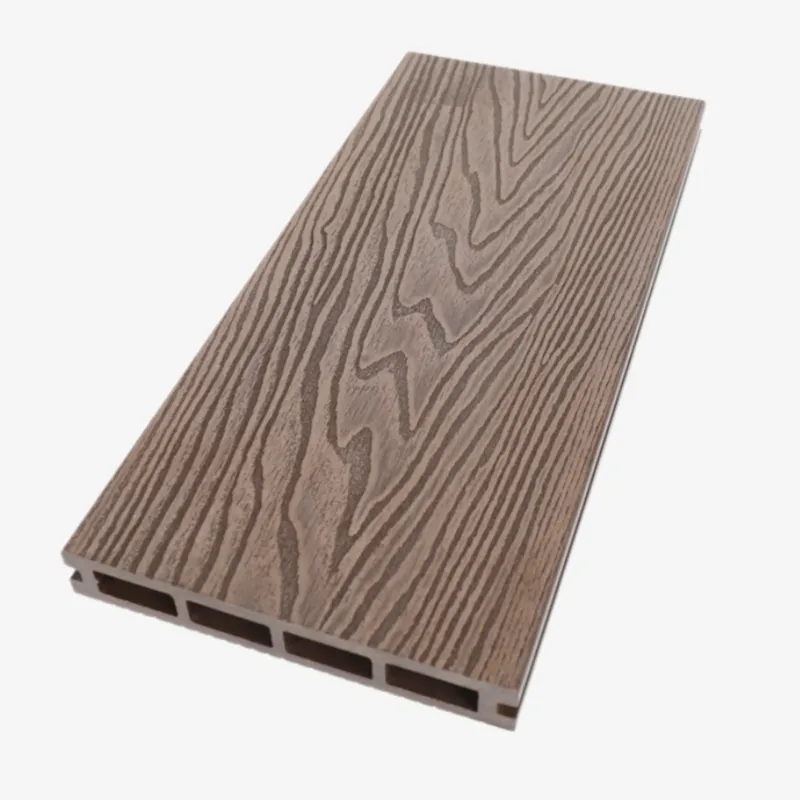
WPC decking is mainly made of wood powder (or plant fiber) and plastic (such as polyethylene, polypropylene, etc.) through special processing technology. Some products will also add an appropriate amount of additives to improve performance, which has both the texture of wood and the durability of plastic.
Q: What is the weight of WPC decking compared to the same volume of natural wood?
Usually, WPC decking are slightly heavier than natural wood of the same volume. This is because their composition includes plastic, which has a relatively high density, but the overall weight is still within a reasonable range and will not bring too much additional burden to installation and transportation.
Q: Are WPC decking resistant to insect and pest damage?
Yes, WPC decking have good resistance to insect and pest damage. Natural wood is easy to be infested by termites, borers, etc., while the material properties of WPC decking make them unsuitable for the survival and reproduction of pests, which can effectively avoid insect damage and extend the service life of products.
Q: Can WPC decking be recycled after reaching the end of their service life?
Yes, WPC decking have good recyclability. After the product reaches the end of its service life, it can be reprocessed through professional recycling technology to be remade into new WPC decking or other plastic products, which conforms to the concept of environmental protection and reduces resource waste.
Q: Can WPC decking be painted or stained?
Generally speaking, the surface of WPC decking has been specially treated and has a certain color and texture, so it is not recommended to paint or stain them. If necessary, you need to choose coatings specially suitable for WPC materials and consult our technical team before construction to avoid affecting product performance.
Q: Do WPC decking require regular maintenance?
Compared with natural wood, WPC decking have lower maintenance requirements, but still need simple regular maintenance. For example, regularly wipe the surface with clean water or neutral detergent to remove dust and stains, and avoid using highly corrosive detergents, which can maintain the appearance and performance of the product and extend its service life.
Q: How does the water resistance of WPC decking compare to natural wood?
The water resistance of WPC decking is far better than that of natural wood. Natural wood is easy to absorb water, get damp, rot and deform, while WPC decking, due to its plastic components, can effectively resist water penetration and are not easy to be damaged even in a humid environment for a long time, making them very suitable for outdoor humid scenarios.
Q: How do WPC decking perform in high-temperature environments?
WPC decking have good stability in a certain high-temperature environment and can usually withstand temperatures below 60℃. However, long-term exposure to extreme high temperatures (such as approaching or exceeding their heat resistance limit) may cause slight deformation, so it is not recommended to use them in scenarios with long-term exposure to high temperatures.
Related Products
Reach Out To Make A Purchase Or Learn More
Get In Touch!
Accurately Match Needs and Create Exclusive Solutions Your Needs, Our Expertise

China's professional manufacturer of high-performance WPC
Quick Links
Quick Links
Category
Category
Navigation
Navigation
Contact Us
400-118-6990
+86-13699891610
Building D, LongJing industry Park, BanTian street, Longgang District, Shenzhen