Q: What Are the Key Manufacturing Processes of High - Quality WPC Decking?
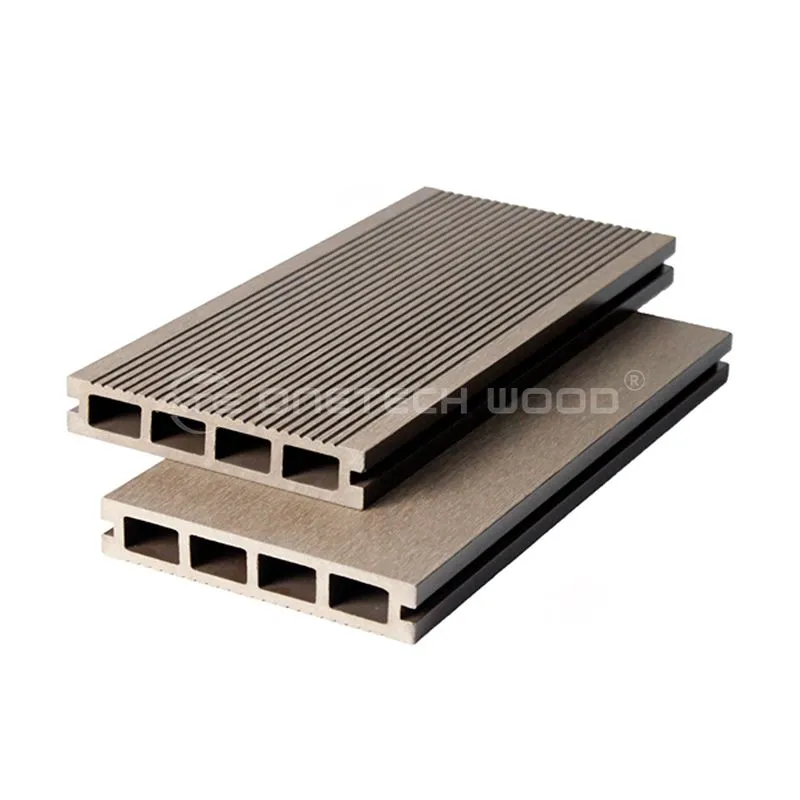
The manufacturing of high - quality WPC decking first requires the selection of wood fiber and plastic raw materials. High - quality wood fibers such as screened wood flour and bamboo fiber are paired with high - purity and stable - performance plastics like polyethylene (PE) and polypropylene (PP). During mixing, advanced mixing equipment is used to ensure uniform blending of the two. Then, through a high - temperature melting process, the plastic is melted to wrap the wood fibers at 180 - 230 °C to achieve a tight combination. In the extrusion molding stage, high - precision molds are used to extrude boards with specific specifications and clear surface textures, improving the appearance and texture. During the cooling and shaping process, the cooling rate and temperature are precisely controlled to ensure the dimensional stability of the boards and reduce deformation. In addition, some high - end WPC decking also undergoes post - treatment, such as surface film covering to enhance wear resistance and weather resistance, and the addition of antibacterial agents to improve antibacterial performance.
Q: How Does the Chemical Composition of WPC Decking Affect Its Performance?
In WPC decking, wood fibers endow the product with a natural texture and certain strength. When the content is high, the touch is closer to that of wood, but too much may reduce water resistance and toughness. Plastic components (such as PE and PP) provide water resistance, moisture resistance, insect resistance, and good toughness, enhancing the durability of the product. A higher proportion can improve the anti - deformation ability, but may reduce the authenticity of the natural texture. In terms of additives, UV stabilizers can effectively resist UV erosion and delay fading and aging; antioxidants prevent material oxidation and extend the service life; flame retardants can improve fire resistance, enabling WPC decking to be safely used in some places with fire - prevention requirements.
Q: What Are the Latest Trends in WPC Decking Design?
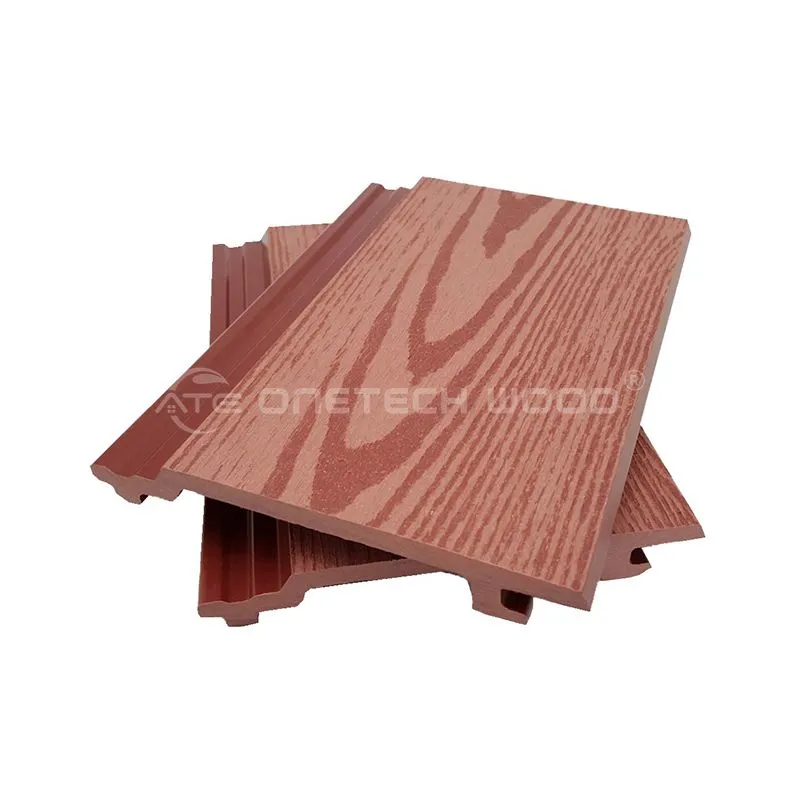
Currently, the design of WPC decking closely follows the concept of environmental protection, with a large amount of recycled materials used to reduce the impact on the environment. In terms of appearance, products that highly simulate the texture and color of natural wood are very popular, such as imitating the unique textures of rare woods like mahogany and oak to meet consumers' pursuit of natural beauty. Multi - color splicing and creative pattern designs are on the rise. By combining different colors and shapes of WPC decking, personalized and artistic outdoor spaces can be created. For example, geometric pattern splicing is used in modern - style courtyards, and irregular patterns create a natural and casual atmosphere. In addition, the trend of functional integration is obvious. For example, heating functions are integrated into WPC decking for outdoor terraces in cold regions to improve comfort; products with self - cleaning functions can effectively reduce dust and stain adhesion and reduce maintenance costs with the help of special coatings.
Q: How to Ensure the Long - Term Stability of WPC Decking in Different Climates?
In cold climate regions, choose WPC decking with good cold resistance. Its raw material formula is optimized to withstand low temperatures without cracking. When installing, leave expansion joints to deal with thermal expansion and contraction and prevent the boards from deforming and being damaged. In hot climates, select products with strong UV resistance. A sufficient amount of UV absorbers are added inside to slow down fading and aging. At the same time, build shading facilities to reduce direct sunlight time. In humid environments, pay attention to the waterproof performance of the product. The plastic components of high - quality WPC decking tightly wrap the wood fibers to effectively block water intrusion. Regularly inspect and maintain, and clean up accumulated water and debris in time to avoid mold growth affecting the performance of the boards.
Q: What Are the Application Scenarios of WPC Decking in Commercial Projects?
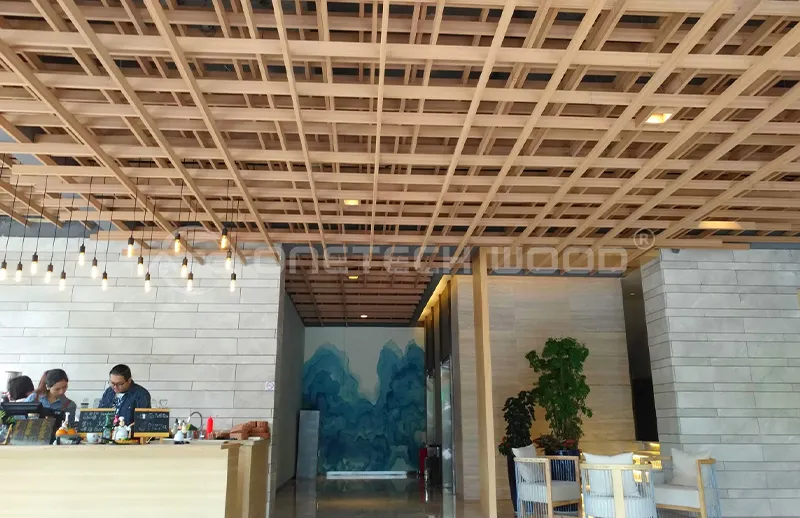
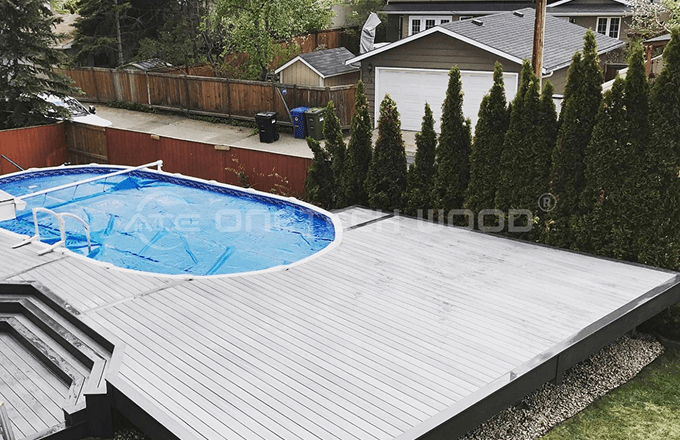
In commercial plazas, WPC decking can be used to pave pedestrian walkways. Its beautiful, durable, and easy - to - clean characteristics can create a comfortable walking experience for customers and coordinate with the surrounding environment. Outdoor terraces and pool sides of hotels and resorts often choose WPC decking to provide a safe, non - slip, waterproof, and moisture - proof leisure area to meet the relaxation needs of guests. At the same time, its diverse colors and textures can fit different architectural styles. The outdoor dining areas of restaurants use WPC decking to create a natural and warm dining environment and improve customer dining satisfaction. WPC decking is used for scenic plank roads, which is both environmentally friendly and durable. It can withstand the trampling of a large number of tourists, reduce damage to the environment, and has a low maintenance cost, making it suitable for long - term outdoor use.
Q: How Does the Installation Method of WPC Decking Affect Its Service Life?
The correct installation method is crucial for the service life of WPC decking. Using the floating installation method and leaving an appropriate expansion space between the boards can adapt to the expansion and contraction caused by temperature changes, avoid board extrusion deformation and cracking, and extend the service life. If screws are used for fixation, screws of appropriate length and material should be selected to ensure firmness without damaging the boards. The screw spacing should be uniform to prevent uneven local stress from causing damage to the boards. Improper treatment of the base layer before installation, such as an uneven or unstable base layer, will cause uneven stress on the WPC decking during use, accelerating wear and deformation. Excessive knocking and bending of the boards during installation will damage the internal structure and also reduce its strength and durability.
Q: What Are the New Technologies for Improving the Fire Resistance of WPC Decking?
Emerging technologies such as the addition of nano - flame retardants evenly disperse nano - scale flame - retardant materials in the raw materials of WPC decking, greatly improving its fire - resistance level with little impact on the original performance of the material. In the manufacturing process, the surface coating of a fire - resistant coating technology is used. Special fire - resistant coatings can expand to form an insulating layer at high temperatures, preventing heat transfer and delaying the burning of the boards. Chemical modification of wood fibers is carried out to introduce flame - retardant groups, enhancing their own flame - retardant ability. After compounding with plastic, the overall fire - resistance performance is improved. In addition, new flame - retardant plastic matrices are developed. Some new plastics themselves have good flame - retardant properties and are used to replace traditional plastics in the manufacturing of WPC decking, fundamentally improving the fire - resistance performance of the product.
Q: How to Recycle and Reuse WPC Decking Materials?
To recycle WPC decking materials, first, classify and collect them, separating boards of different colors and materials. For waste boards, crush them into small pieces through a crushing process and remove impurities. Then, use specific equipment to remelt the crushed materials, add an appropriate amount of new raw materials according to needs, and extrude them again to form new WPC decking or other wood - plastic products, such as outdoor flower boxes and fences. For WPC decking with coatings or decorations on the surface, the coatings need to be removed first by chemical or physical methods before subsequent recycling. The recycled materials can be used in places with relatively low requirements, such as the paving of internal passages in factories and the decoration of temporary buildings, realizing resource recycling and reducing costs and environmental pressure.
Q: What Are the Standards and Certifications for High - Quality WPC Decking?
Internationally, for example, the EN standards in the EU have strict regulations on the dimensional stability, mechanical properties, and weather resistance of WPC decking. The ASTM standards in the United States cover detection indicators such as the physical properties and fire - resistance performance of products. In China, there are relevant GB/T standards that standardize the appearance quality, density, modulus of rupture, and other parameters of WPC decking. Obtaining FSC (Forest Stewardship Council) certification indicates that the wood raw materials of the product come from sustainably managed forests, ensuring environmental protection. CE certification means that the product meets European safety, health, and environmental protection standards. In addition, antibacterial and anti - mold certifications from some professional institutions can prove the performance advantages of WPC decking in antibacterial and anti - mold aspects, helping consumers identify high - quality products.
Reach Out To Make A Purchase Or Learn More
Get In Touch!
Accurately Match Needs and Create Exclusive Solutions Your Needs, Our Expertise

China's professional manufacturer of high-performance WPC
Quick Links
Quick Links
Category
Category
Navigation
Navigation
Contact Us
400-118-6990
+86-13923862712
Building D, LongJing industry Park, BanTian street, Longgang District, Shenzhen